The flavors we grew up with, made from pork worth eating.
Nothing leaves the kitchen until it tastes like the dish it came from.
Shop Now


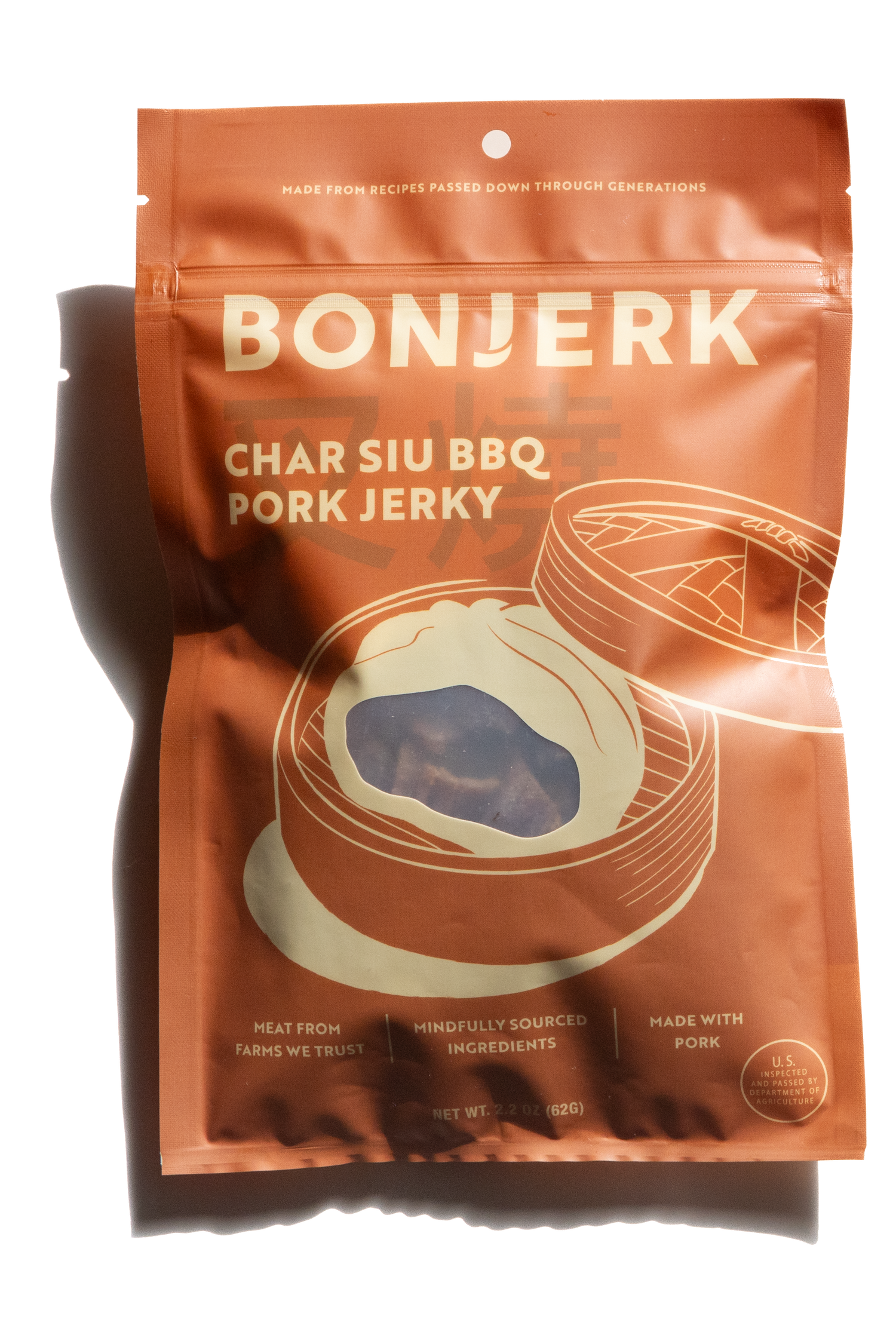
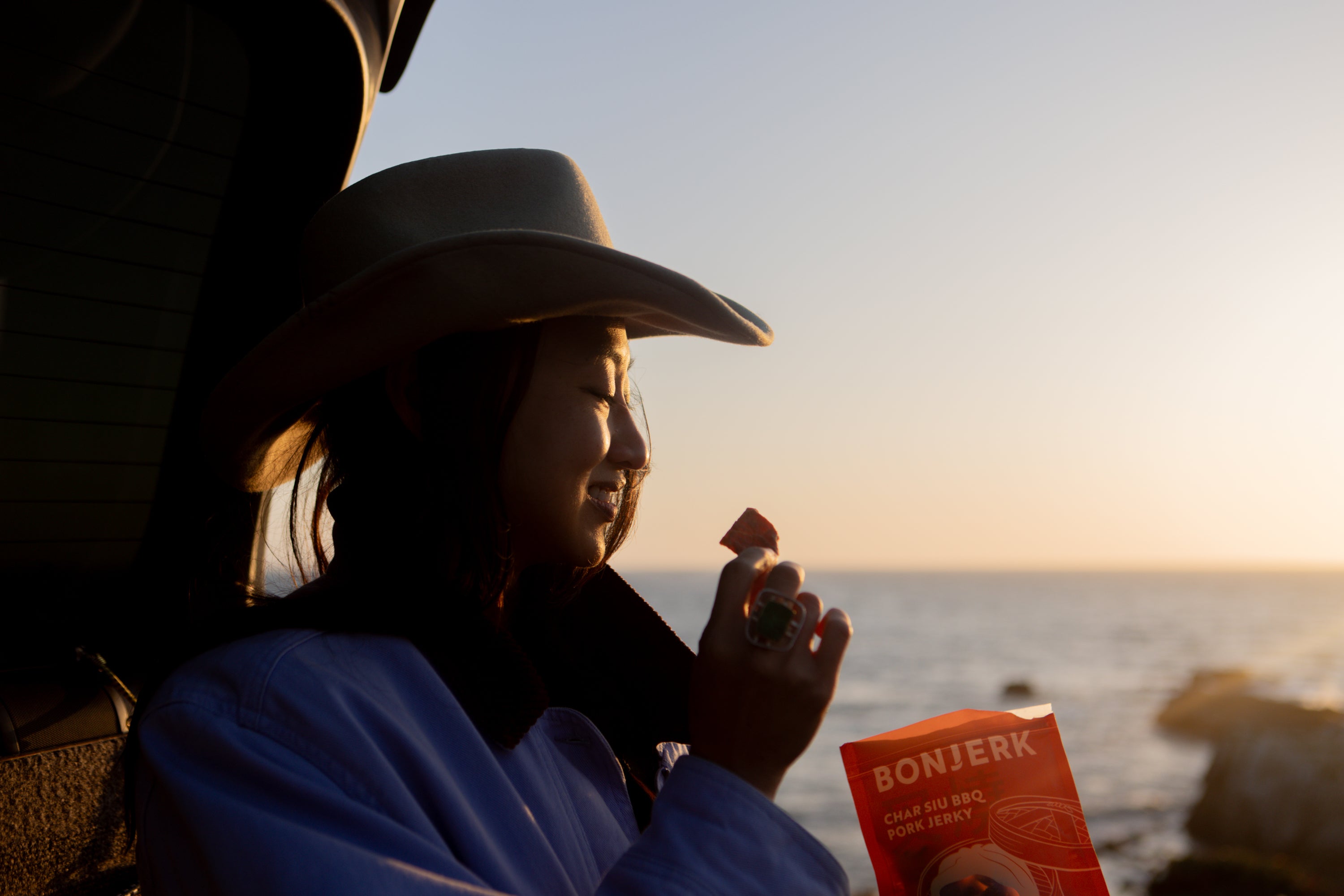
CHAR SIU PORK JERKY
Sweet and salty in the same bite, with a savory depth underneath.
Char siu bao is one of the four heavenly kings: the four dim sum you'll find in every tea house. Roast pork in a steamed bun, wheeled past you on a cart on a Sunday morning.
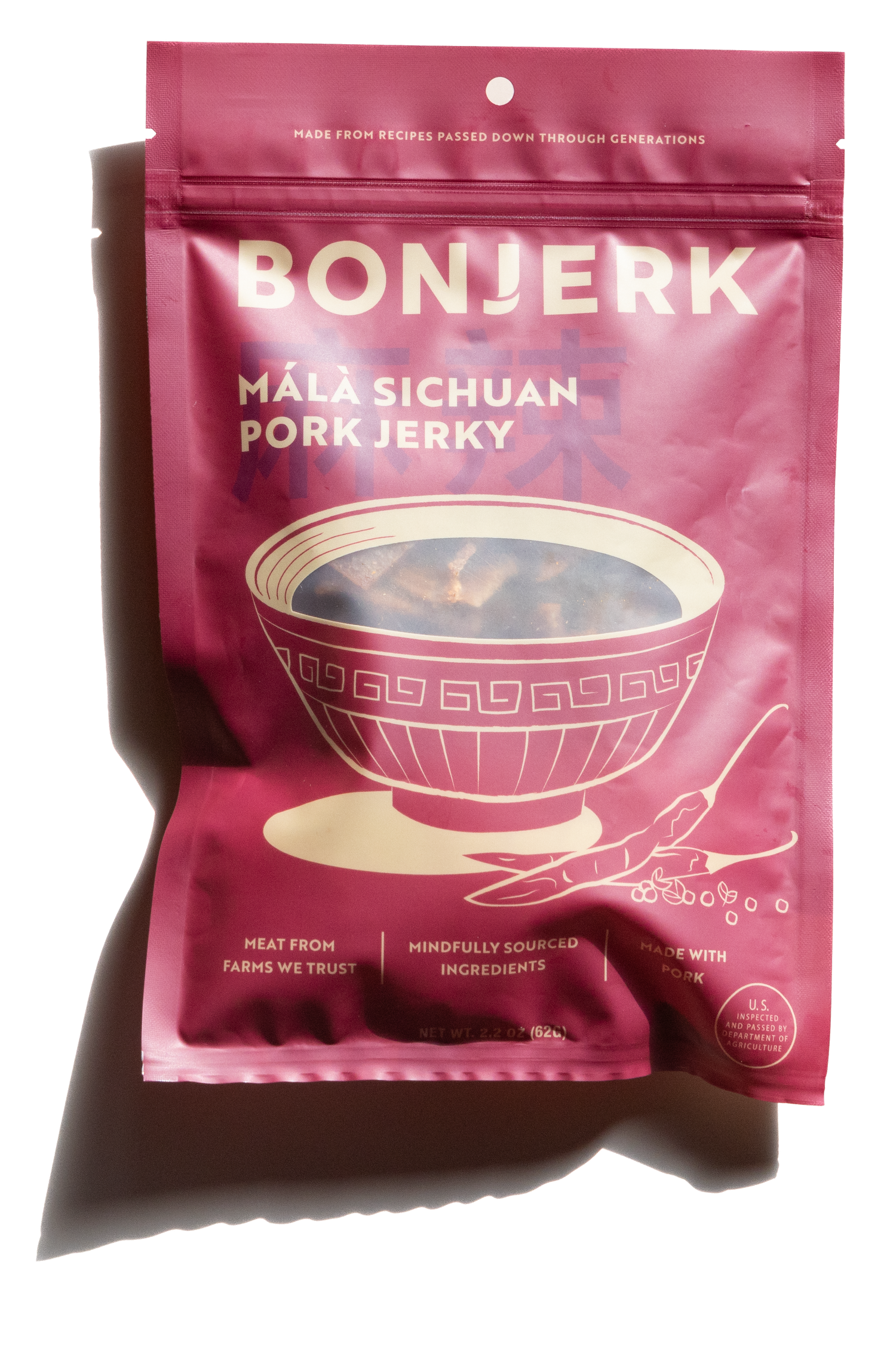
MÁLÀ SICHUAN PORK JERKY
Spicy and savory with a slow build, rounded out with Sichuan peppercorn, ginger, and cinnamon, bringing floral and warm undertones.
A comfort dish of our founder's childhood, mapo tofu is still what she cooks when she wants a hit of spice.
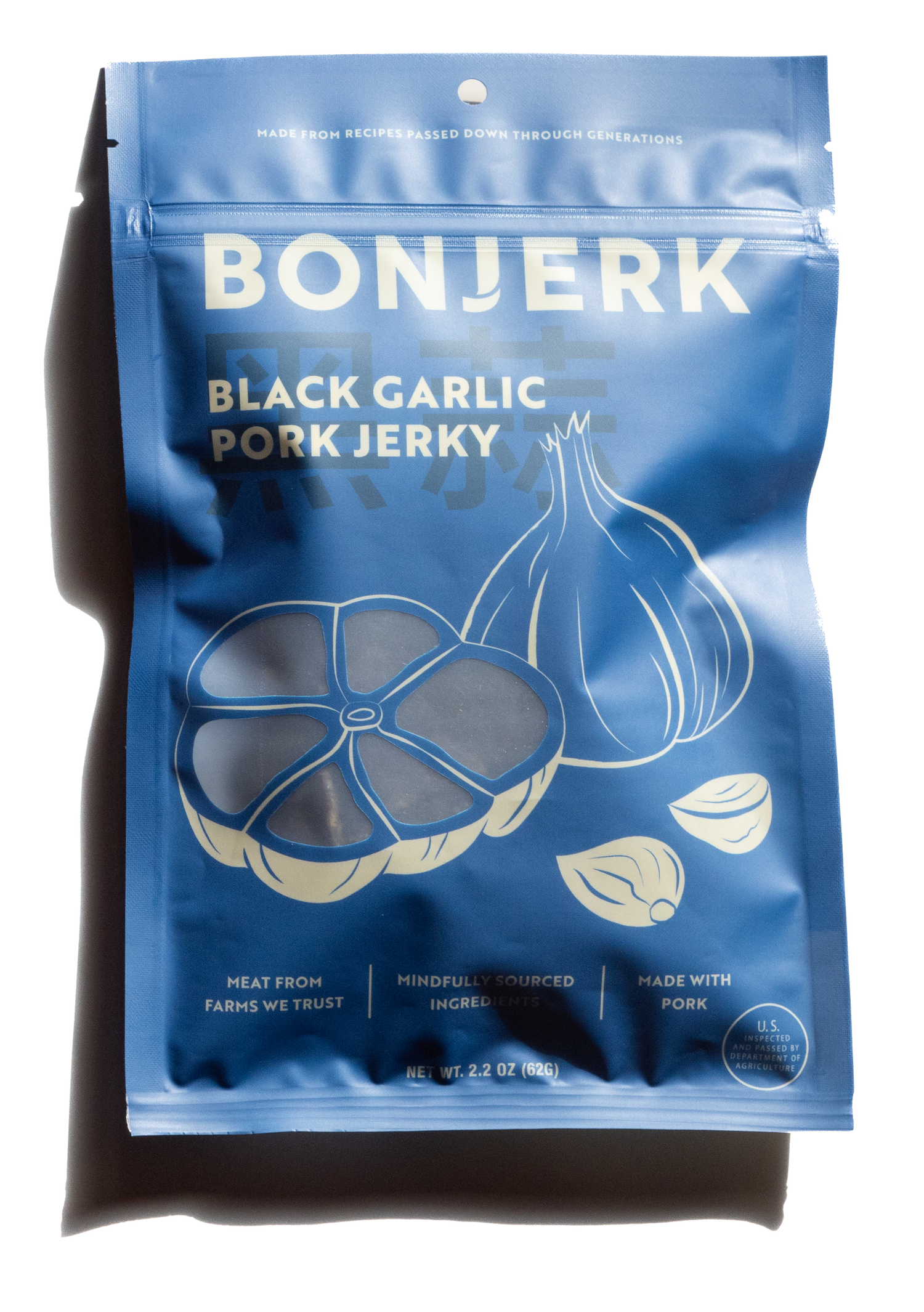
BLACK GARLIC PORK JERKY
Deep and savory, with the aged, salty richness of black garlic.
Zhajiangmian is Beijing's fried sauce noodle: fermented bean paste simmered with pork until a layer of clear fat rises and seals the sauce underneath. Spooned over chewy wheat noodles and served with whatever fresh vegetables are around.
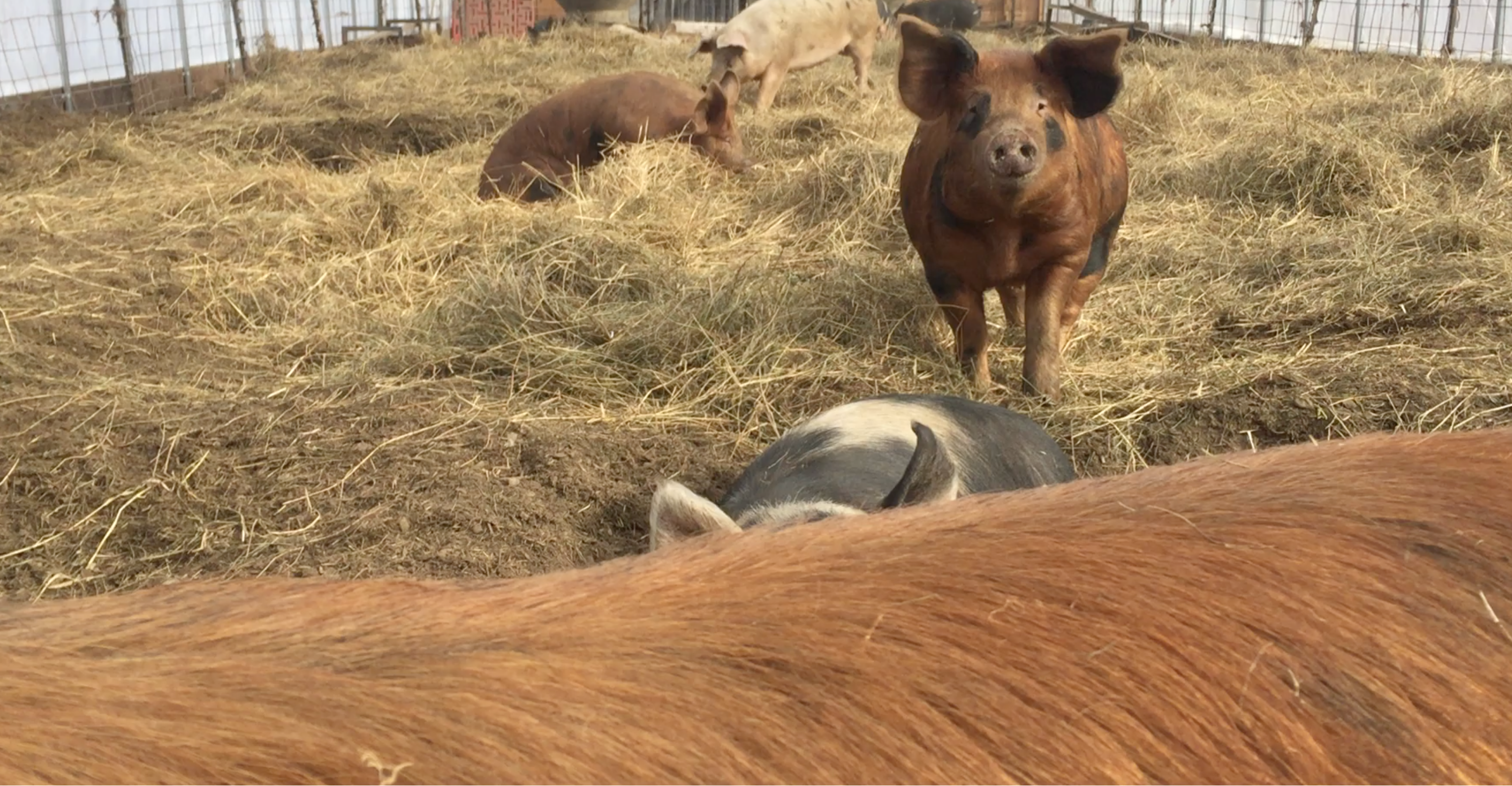
There was no jerky that tasted like the food I grew up on, so I started making it.
I was born in Hong Kong and my family moved to Kansas when I was six. Growing up in the Midwest, where there weren't many Asian families around, food was the constant that kept our Chinese traditions alive. Sharing a family meal, whether at home or during Sunday dim sum, always reminded us of where we came from, no matter where we were.
In 2016, I moved to the Bay Area and in 2018, I started making jerky in my kitchen in San Francisco, working backwards from the flavors I loved. Using better pork made a noticeable difference, which sent me looking into where meat actually comes from. Growing up, we never really talked about that. We looked for what was affordable and let the flavors do the rest, and I don't think that was unusual in Asian American households. I wanted to understand it properly. That same year, I started training as a whole-animal butcher.
Butchery taught me that before anything becomes jerky, there's an animal, the people raising it, and a lot of choices made long before it reaches us. It also made me notice something about the food I grew up with: it had always used the whole pig. Floss, lap cheong, char siu, stock, rendered fat. Nothing was thrown away.
I started Bonjerk to put those two things together. Food that tastes like home, made without cutting corners on where the meat comes from. It isn't the fastest or the cheapest way to do it, but it's the only way that feels honest to me.
Over ninety-five percent of the pork raised in this country comes from confinement. There are a lot of reasons more farms don't make the switch, and one of the biggest is whether anyone's buying. Every bag helps make that a little easier for the next farm, which is a strange thing to say about a snack, but it's true. Jerky was the first answer. It won't be the last.
Sign up for our newsletter and enjoy 10% off
Step into our world of good meat, good flavor, and the people who raise it with intention. Every note we send is crafted with care— stories from the field, flavors we're dreaming up, and the behind-the-scenes work that fuels us.
And a little extra love 10% off on us!